


Software Co-Development: Complete Partner Guide
Software co development is one of the fastest ways to ship a product when you need more speed, skills, or capacity than your in-house team can provide—without fully outsourcing ownership. The catch: co-development only works when you treat it like an operating model (governance, roles, quality gates), not just two teams writing code.
In this guide, you’ll learn what co-development really means, when it beats outsourcing, how a co-development process typically runs, and what to put in a software co-development agreement to protect IP and avoid delivery chaos. If you’re a founder, product manager, or business owner preparing to partner with an external engineering team, you can use this as a checklist before you sign—then reuse it during delivery.
What is software co development? (co development software explained)
Software co development is a partnership where your internal team and an external team jointly plan, build, test, and ship the same product—sharing responsibilities across discovery, engineering, and delivery. Unlike classic outsourcing (where you hand off scope), co-development keeps you close to decisions like architecture, prioritization, and roadmap tradeoffs.
You’ll often see the phrase “co development software” used in two ways:
- The engagement model: co-developing a product with a partner team.
- The tooling: platforms like Git + Jira + CI/CD that enable cross-team collaboration.
This article focuses on the engagement model, while still recommending a practical collaboration stack.
If your delivery is Agile-based, align your co-dev partnership with sprint rituals and shared definitions of done. For a refresher, see our guide to Agile software development.
Why software co development matters (benefits you can measure)
Co-development is most valuable when the problem is bigger than “we need more developers.” Done well, it can improve outcomes that leaders actually care about:
- Speed to market: Parallel workstreams (frontend, backend, DevOps, QA) reduce cycle time.
- Broader expertise: Add specialist skills (cloud, security, data, AI) without building every function in-house.
- Quality improvement: Cross-team peer reviews and automated testing catch issues earlier.
- Risk reduction: Knowledge is distributed; delivery doesn’t depend on a single person or silo.
- Scalability: Ramp capacity up/down by roadmap phase (MVP, growth, hardening) instead of permanent hires.
For launch-focused teams, co-development is a strong fit alongside MVP development services, where scope control and release discipline matter as much as coding.
Key features & engagement models (co-development vs outsourcing vs in-house)
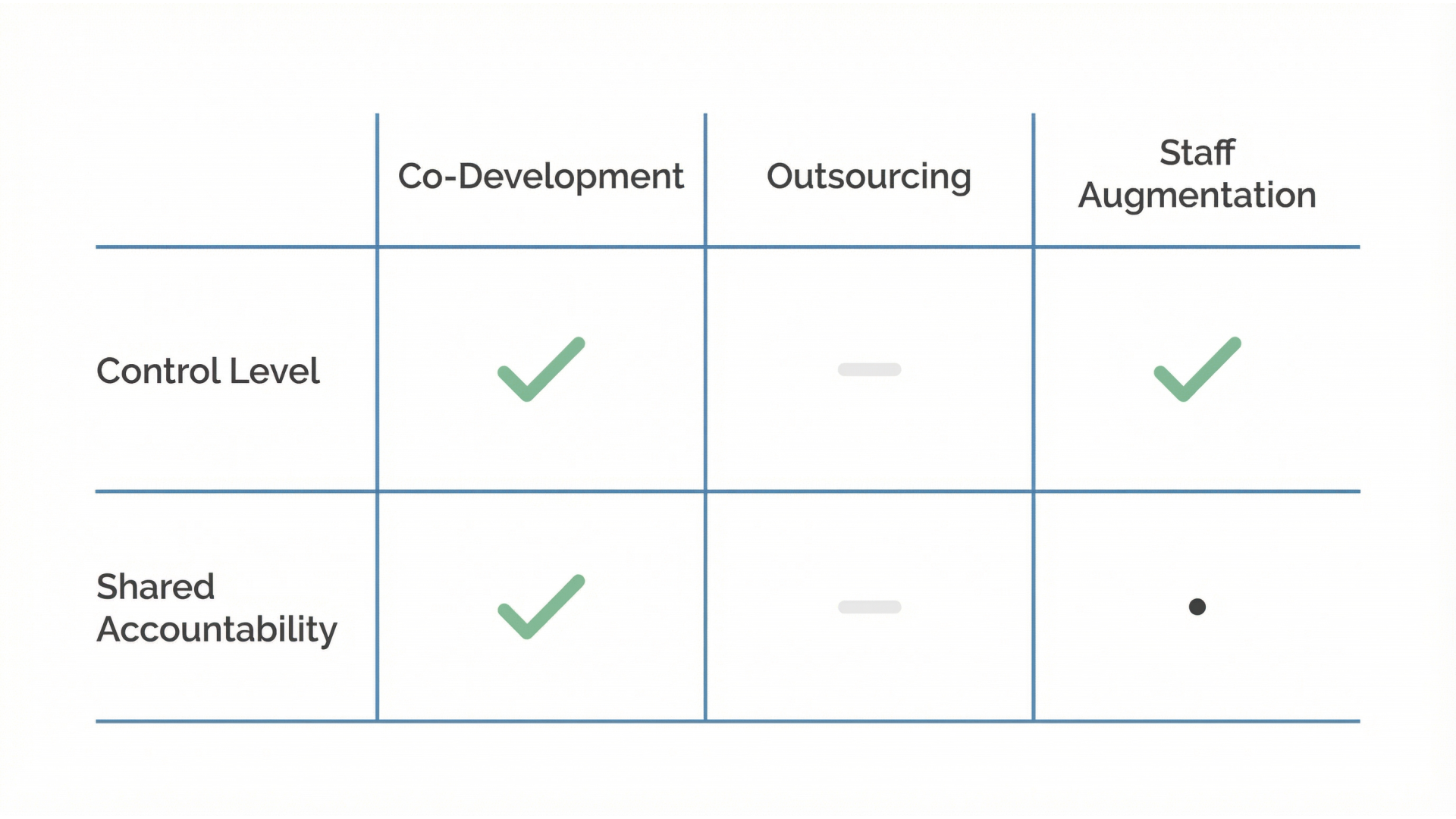
Choosing the wrong model creates friction that no amount of “good communication” fixes. Here’s a quick comparison:
| Model | Best for | Tradeoffs | Who owns delivery day-to-day? |
|---|---|---|---|
| In-house only | Mature orgs with stable hiring | Slow hiring; narrow skill coverage | You |
| Outsourcing (project handoff) | Clear, fixed scope deliverables | Less product control; misaligned incentives | Vendor |
| Staff augmentation | Filling specific skill gaps | Requires strong internal management | You |
| Software co development | Shared product delivery + speed + control | Needs governance + clear roles | Shared (single operating model) |
A practical rule: if you need speed + shared accountability + product continuity, co-development usually beats pure outsourcing.
Co-development process: a practical step-by-step operating model
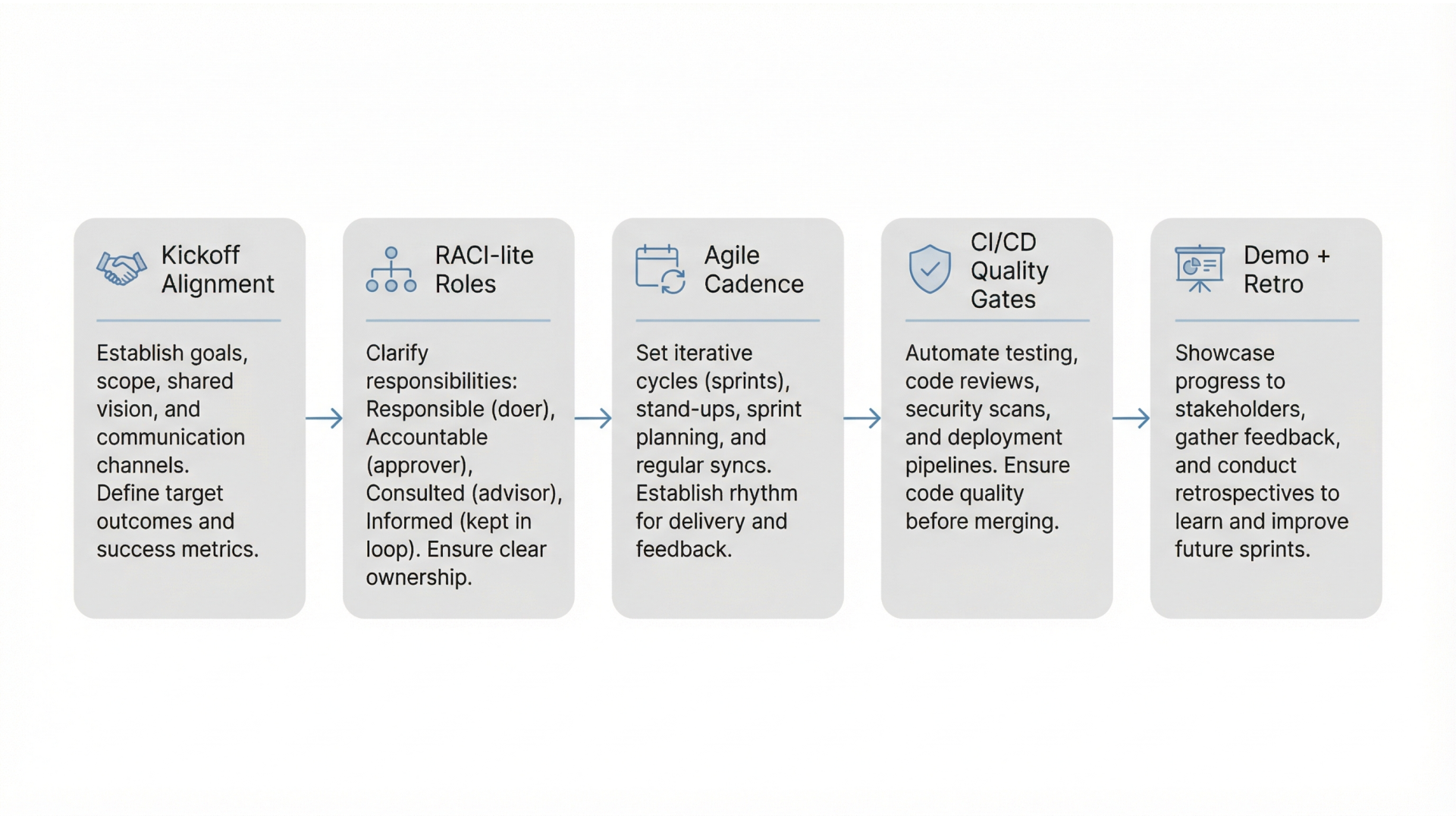
A reliable co-development process looks more like a “mini joint-venture” than a vendor relationship:
- Joint discovery and scope framing: align on outcomes, constraints, non-goals, and success metrics.
- Architecture and delivery plan: define boundaries (services, modules), release plan, and integration strategy.
- Team topology + RACI: who owns product decisions, code ownership, infra, QA, and incident response.
- Build cadence: shared backlog, sprint ceremonies, code review rules, and Definition of Done.
- Quality gates: CI checks, security scanning, test coverage expectations, staging environments.
- Release and operate: deployment strategy, monitoring, on-call responsibilities, and post-release retros.
For teams working across time zones, nearshore models often simplify overlap and collaboration. See our nearshore software development guide.
Software co-development agreement and governance checklist
Avoid the #1 failure mode
Most “co-development failures” aren’t technical—they’re contractual and operational. Nail these items in your software co-development agreement to prevent delivery chaos.
Include these clauses and artifacts upfront:
- IP and licensing: who owns new IP, background IP, and reusable components; treatment of shared libraries.
- Security and data rights: environments, access controls, audit trails, breach notification, and data retention.
- Acceptance criteria: what “done” means (functional, performance, security, documentation).
- Change control: how scope changes affect cost/timeline; who can approve changes.
- Quality and SLAs: uptime targets (if applicable), defect severity definitions, response times.
- Exit and transition: handover checklist, repo ownership, documentation, and support period.
Security baseline
Consider aligning with NIST’s Secure Software Development Framework (SSDF) for a pragmatic baseline: https://csrc.nist.gov/Projects/ssdf
Best practices (and common mistakes) for co-development teams
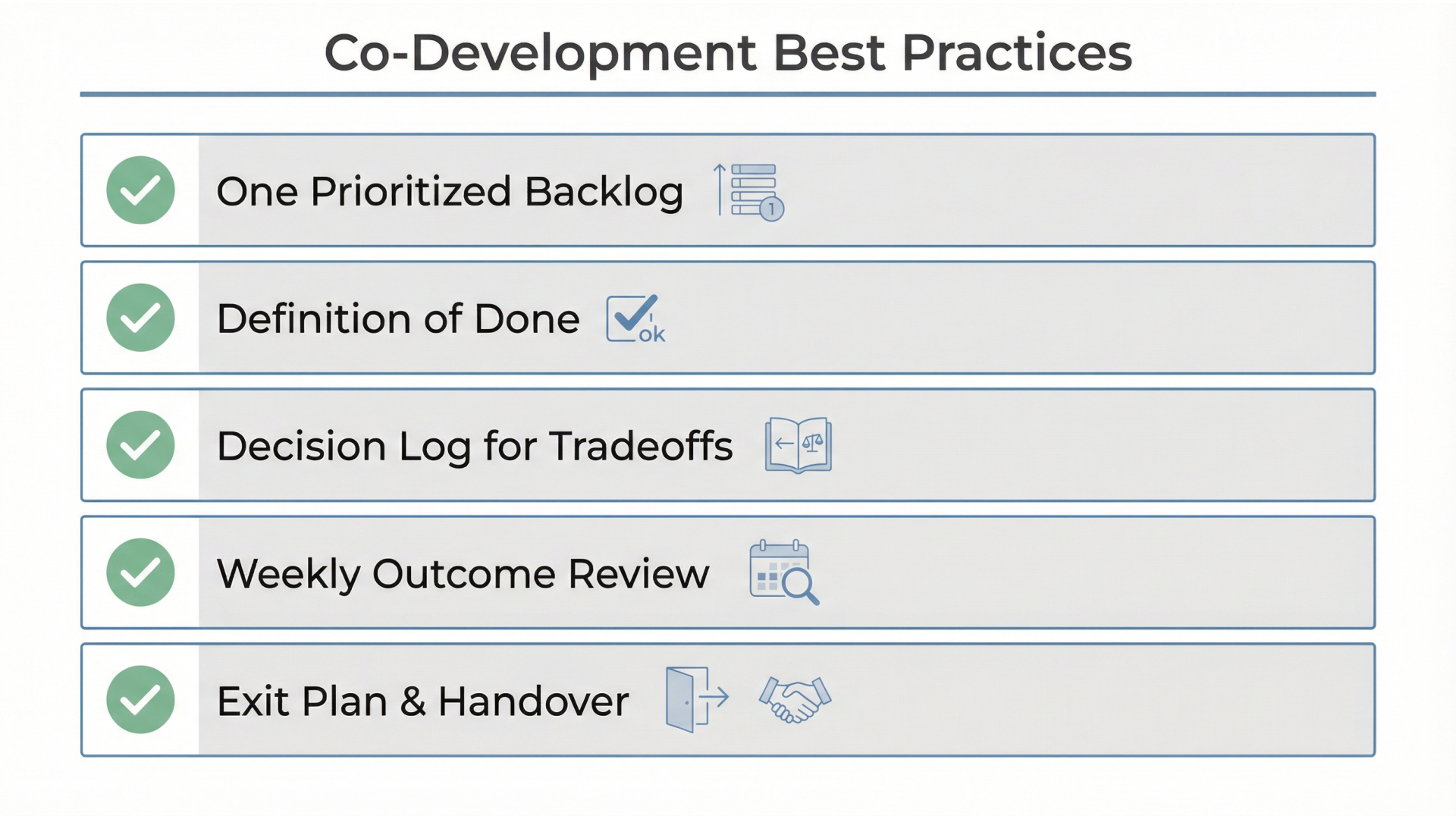
Best practices
- One backlog, one truth: a shared Jira (or equivalent) backlog; no “shadow roadmaps.
- Integration first: merge early, deploy often; avoid long-lived branches across teams.
- Clear ownership boundaries: e.g., partner owns specific services; you own product decisions and final release sign-off.
- Measure what matters: lead time, deployment frequency, escaped defects, cycle time, and availability.
Common mistakes
- Treating co-development like staff-aug (no shared governance).
- Skipping architecture boundaries (everyone touches everything).
- Underinvesting in QA automation and release pipelines.
- Leaving IP/security terms vague until “later.
If you need a lightweight governance layer, CTO as a Service can help set decision rights, delivery metrics, and a sustainable operating cadence.
Tools and platforms that make co-development work (simple stack)
You don’t need a huge toolchain—just consistent standards:
- Version control: GitHub/GitLab + branch protection + mandatory reviews
- Work management: Jira/Linear + visible sprint goals + dependency tracking
- CI/CD: automated build/test/security checks per PR
- Docs: a living architecture decision record (ADR) + runbooks
Visualization ideas for your stakeholder deck
- “Software co development collaboration workshop hero visual to align on outcomes
- “Co-development vs outsourcing comparison infographic for execs
- “Agreement checklist slide covering IP, security, acceptance, exit plan
Frequently Asked Questions (FAQs)
Co-development software usually means collaborating to build one product across multiple teams, supported by shared tools (Git, CI/CD, project tracking) and shared delivery ownership.
How Musketeers Tech Can Help
Musketeers Tech helps teams run software co development as a predictable system—not an ad-hoc collaboration. We set up the delivery operating model (team topology, ceremonies, quality gates), define measurable KPIs, and implement the engineering foundation (CI/CD, environments, observability) so your internal team and partner engineers can ship together with confidence.
If you’re early-stage, we can co-develop and launch quickly through our MVP Development Services. If you’re scaling, our software strategy consulting aligns architecture and roadmap, and our delivery teams execute alongside yours.
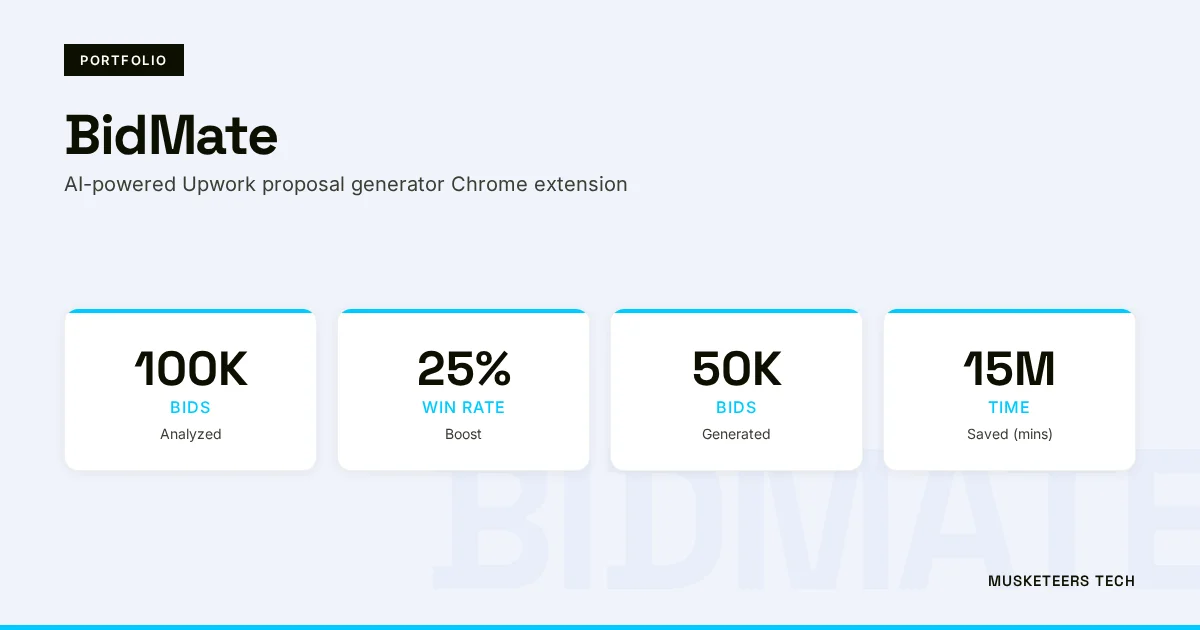
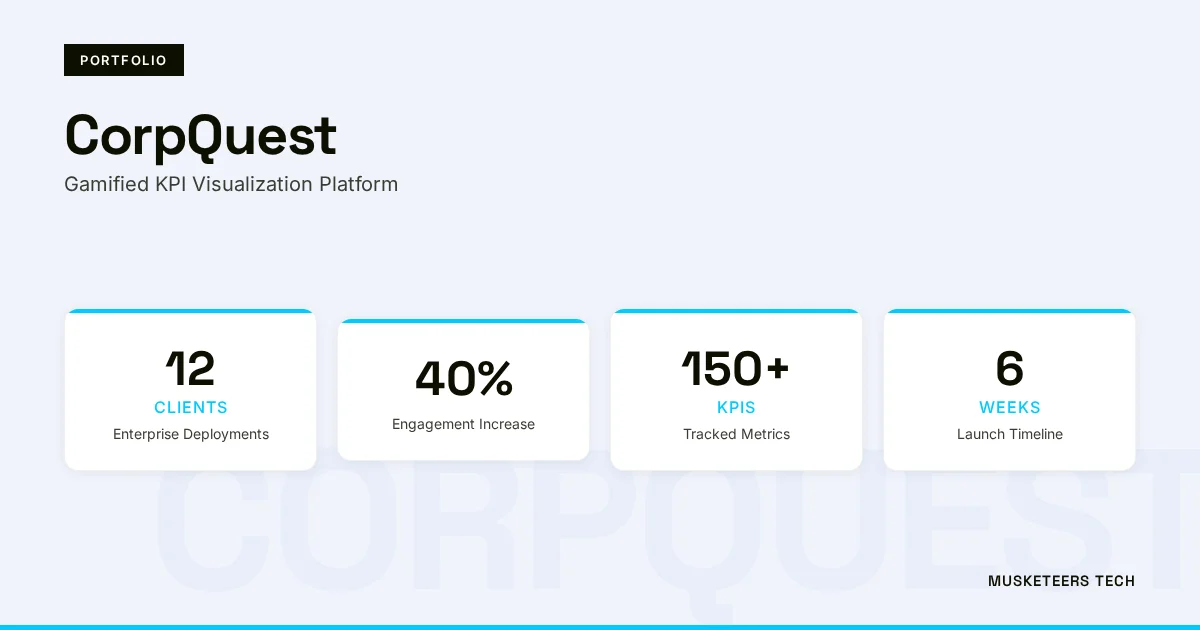
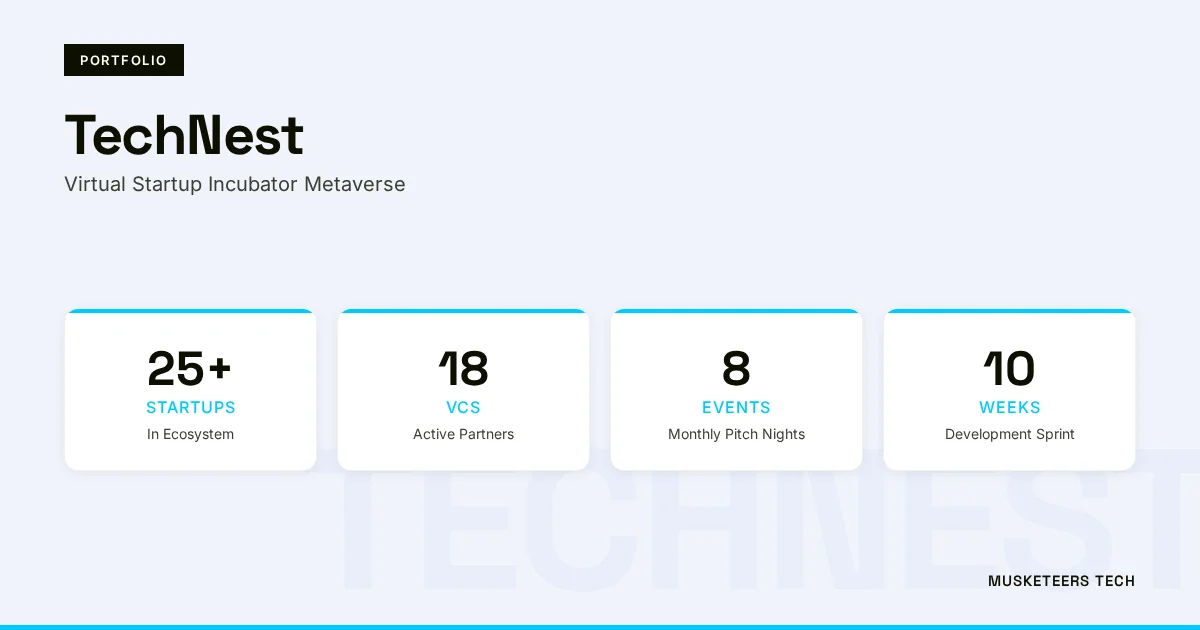
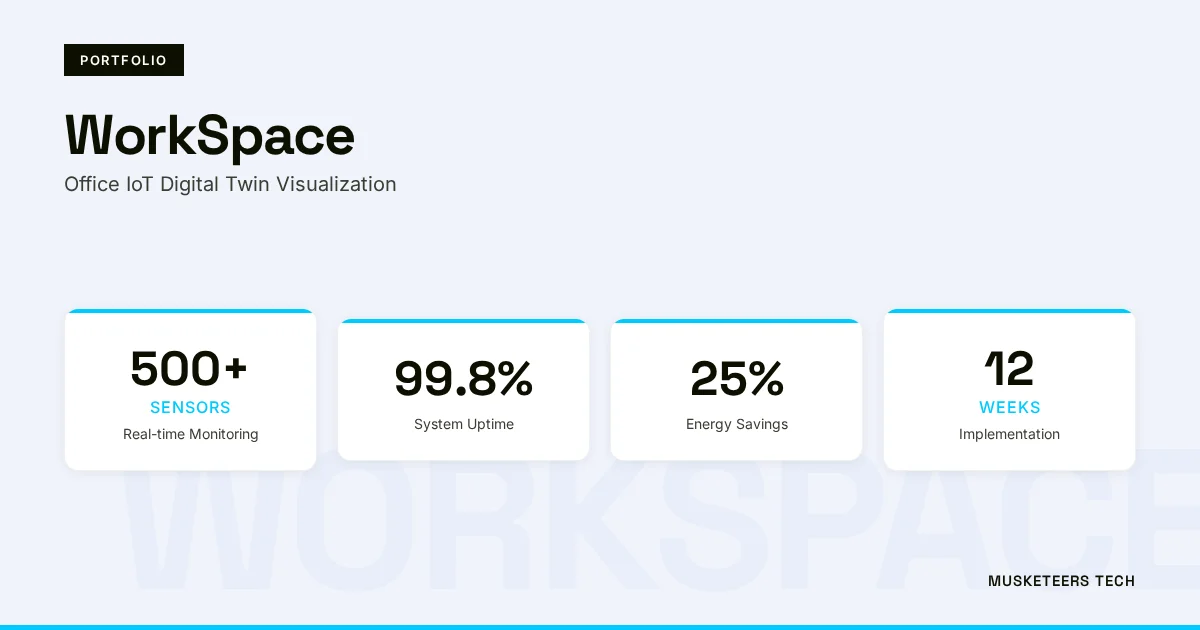
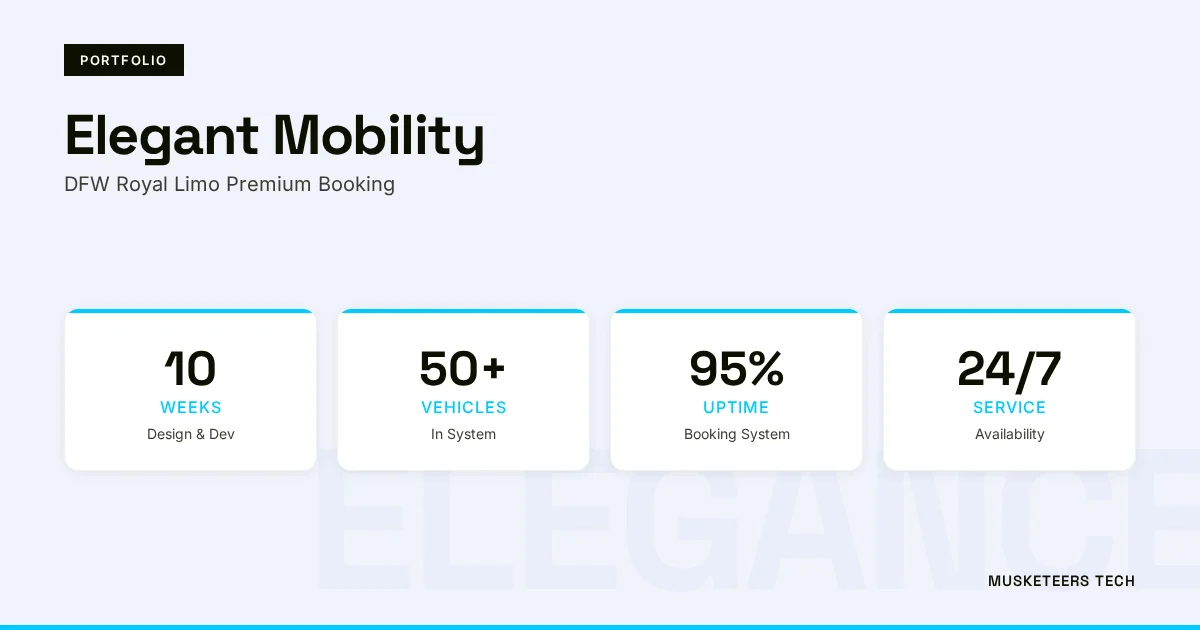
Relevant builds include AI-driven products like BidMate and operational software platforms like DoctorDost—both requiring tight collaboration, clear ownership, and release discipline.
Learn more about our Web Application Development or see how we helped clients with similar challenges in our portfolio.
MVP Development
Co-develop and launch faster with disciplined scope and release cadence.
Final Thoughts
Software co development is a high-leverage approach when you want to move faster without losing product control—but it only delivers if you formalize the partnership. Start with the right engagement model, build a shared operating cadence, and treat governance and the software co-development agreement as first-class engineering assets.
If you’re considering a co-development partner, use the checklist in this guide to validate decision rights, IP terms, quality gates, and the “day two” plan (releases, monitoring, and handover). When those fundamentals are in place, co-development becomes a durable growth strategy—not a short-term staffing fix.
Need help with software co development? Explore CTO as a Service or browse our recent projects. For more on delivery models, read What Is Offshore Software Development?
Last updated: 04 Feb, 2026
